The Excelerate Academy

Knowledge that works. On your work floor.

Explore training that helps your team improve processes, solve problems and lead with confidence. We adapt the content and learning format to your working environment.

Explore the courses
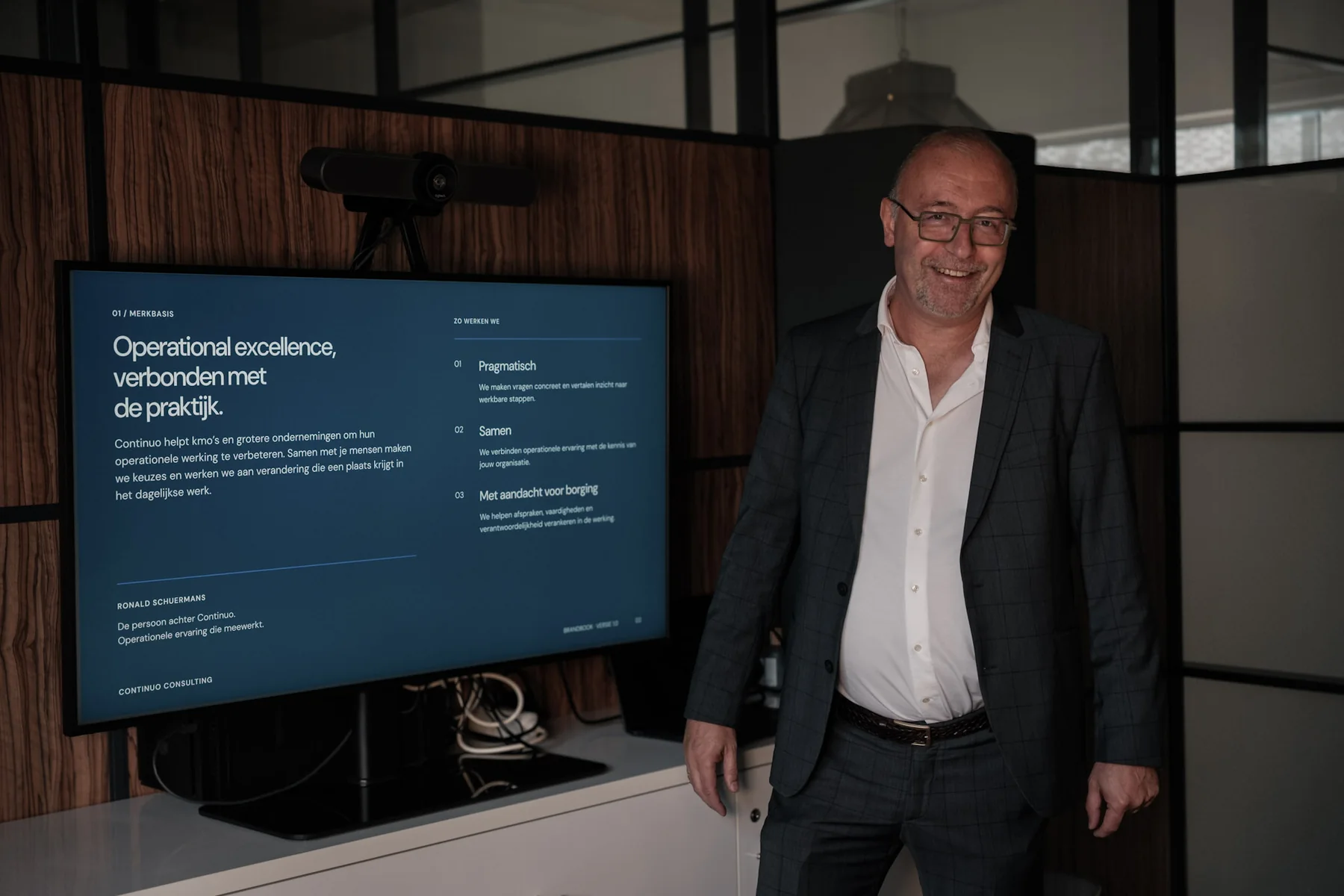
Ronald presenting operational excellence

Find the training that fits your team.

From a first introduction to deeper learning in your daily practice. We tailor each course to your team through a personal conversation.

6 courses

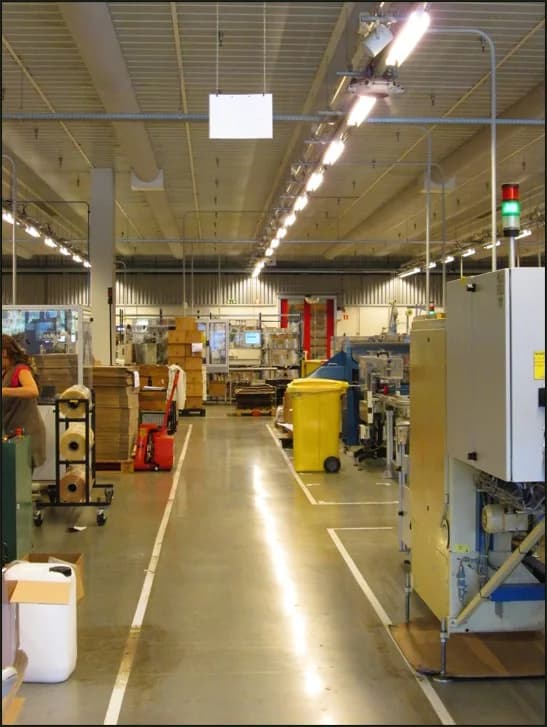
Production floor with marked walkways

Improving processes

Visual Factory

Make goals, performance and deviations visible in daily work.

For operational teams and leaders.

View course: Visual Factory

You examine the information a team needs to make timely decisions. We connect a small number of relevant KPIs with visual agreements, daily meetings and concrete actions. Using your own practice, you discuss which deviations require attention, who takes responsibility and when escalation is useful. The aim is a productive performance conversation supported by clear information. A board is a tool; the quality of follow-up determines whether it helps.
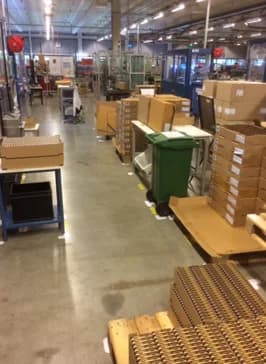
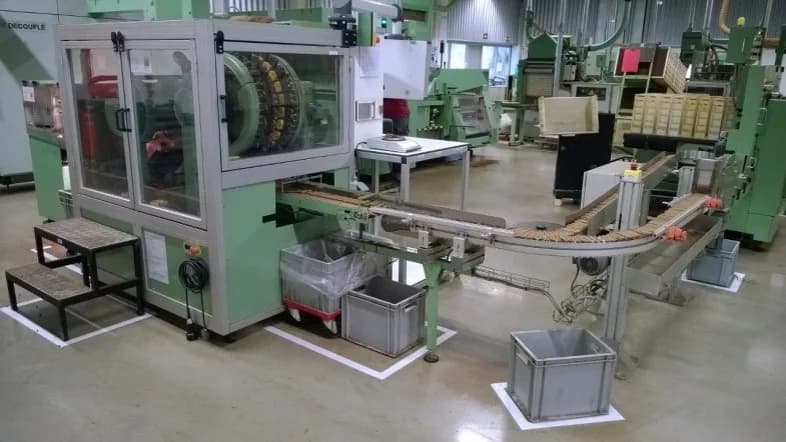
Material supply on the shop floor
An organised production line
Email Ronald
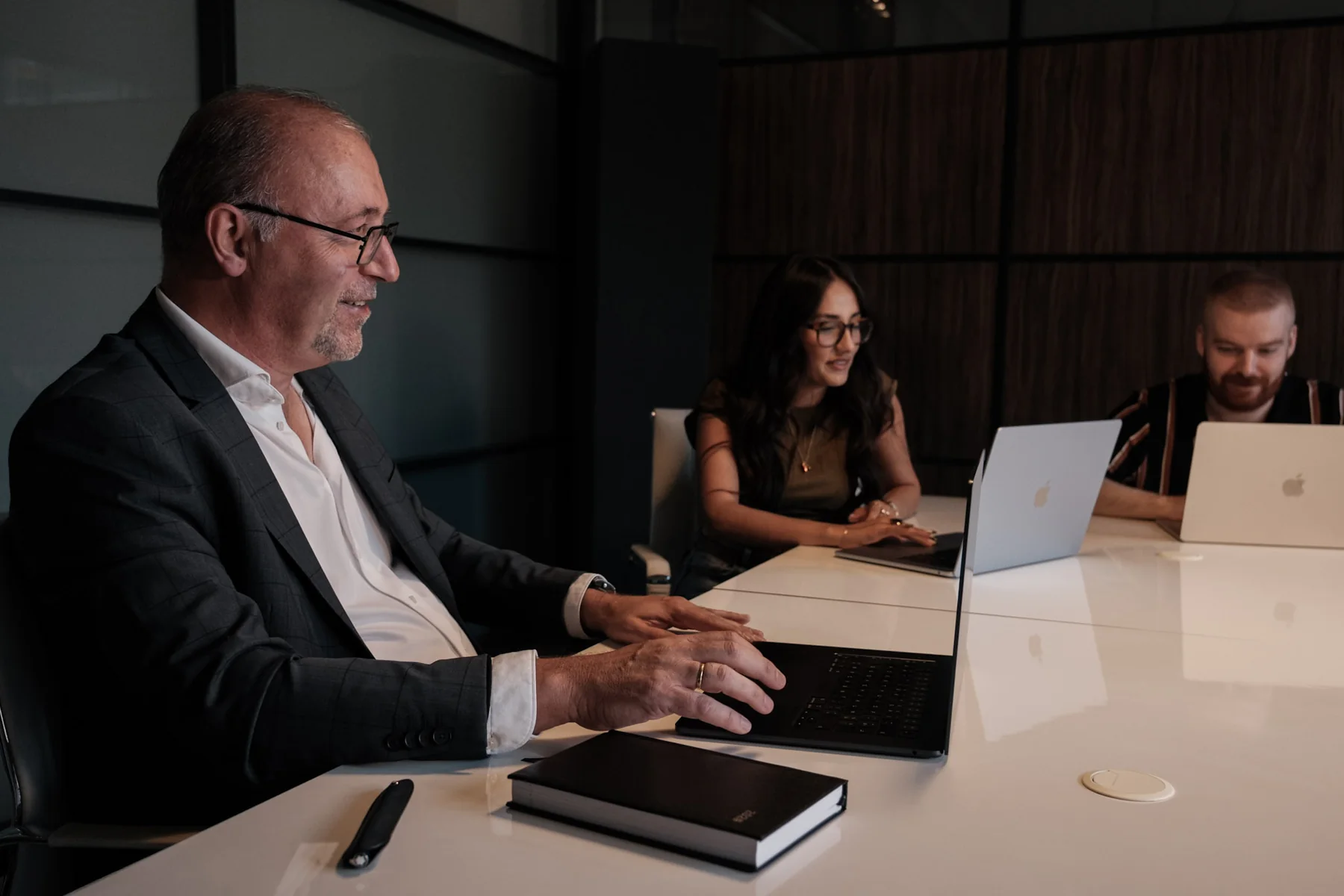
Ronald in a meeting

Solving problems

Structural Problem Solving

Investigate recurring problems and test solutions against facts.

For teams and improvement leads.

View course: Structural Problem Solving

You learn to describe a problem clearly, collect evidence and distinguish symptoms from causes. Focused questions and structured analysis help identify what is known and which assumptions still need testing. You then connect actions with an owner and a way to assess their effects. We practise with familiar situations so you can apply the method in your own workplace and adjust when an initial explanation proves insufficient.

Email Ronald
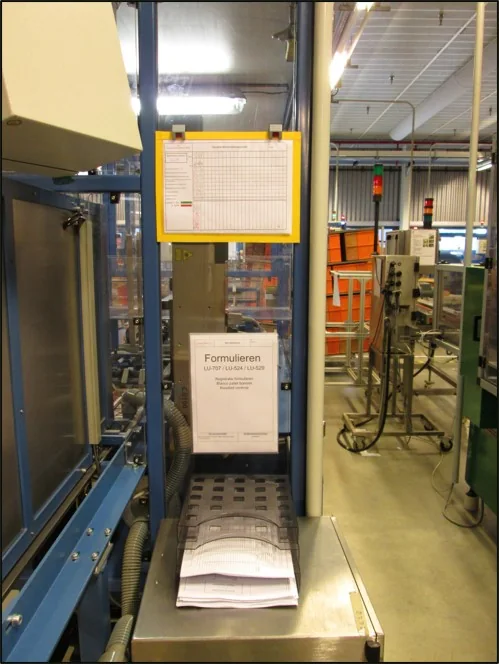
Instructions and records at a workstation

Improving processes

Standard Work

Establish a practical standard as a basis for quality and further improvement.

For employees, team leaders and process owners.

View course: Standard Work

A standard describes the agreed current way of working and helps explain variation. Together, you investigate which steps matter for safety, quality and flow. We explore how to make experienced employees’ knowledge visible, document the work clearly and support application. A standard can change when a better solution is demonstrated. This connects learning, handover and improvement without creating procedures disconnected from practice.

5S: a workplace that supports the work
  1. 1
    Sort

    Keep what is needed.

  2. 2
    Set in order

    Give everything a place.

  3. 3
    Shine

    Clean and spot abnormalities.

  4. 4
    Standardise

    Agree on a shared way of working.

  5. 5
    Sustain

    Maintain the agreements.

An organised production line
Email Ronald
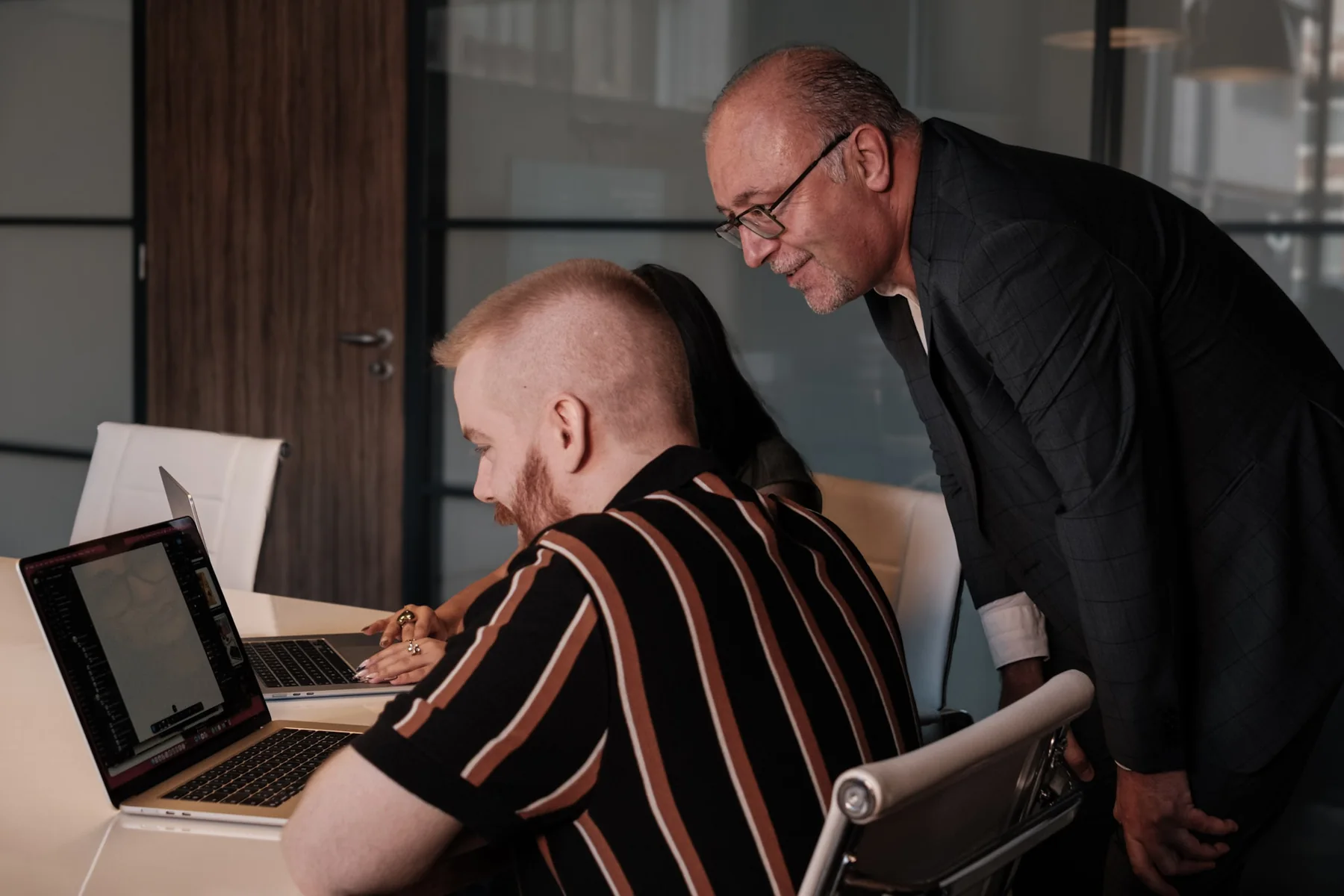
Ronald guiding a working session

Leadership

Lean Leadership

Provide direction, coach people and make improvement part of leadership.

For leaders, management and executives.

View course: Lean Leadership

From executive to shift leader, you practise how role modelling, questions and follow-up strengthen an improvement culture. You discuss priorities, clarify accountability and give employees room to investigate causes themselves. We use situations from existing team meetings and decisions. You also examine your own habits: when do you take over a problem, when do you coach and how do you uphold agreements without drawing every decision back to yourself?

Email Ronald
Team discussing ideas during a working session

Leadership

Change and improvement culture

Build involvement around change your organisation understands and supports.

For executives, leaders and change owners.

View course: Change and improvement culture

You explore why change is needed, how people experience it and how to create a shared direction. We connect urgency with clear choices and discuss how resistance can provide useful information. Communication, involvement and consistent leadership become part of implementation. Participants work on their own change challenge and decide how to follow signals from the organisation. Culture becomes visible through concrete decisions and behaviour.

Change is not a straight line
  1. 01Recognise stagnation
  2. 02Prepare
  3. 03Implement
  4. 04Persevere
  5. 05Embed results

Shared direction and communication help teams get started. Doubts and setbacks can arise during implementation. Guidance, small successes and perseverance help embed change; the line is a schematic illustration.

Email Ronald
Developing a plan together using diagrams

Solving problems

PDCA and continuous improvement

Connect planning, testing, learning and adjustment in a clear improvement process.

For teams, process owners and improvement coaches.

View course: PDCA and continuous improvement

Plan, Do, Check and Act establish a logical rhythm around a defined question. You formulate an expectation, choose a practical trial and decide which observations reveal change. We practise drawing conclusions without claiming success too early and embedding a useful solution. Between modules, you can apply the approach at work and bring back your experience for coaching and further learning.

PDCA: improving step by step
  1. 01Plan — set your goal
  2. 02Do — apply
  3. 03Check — evaluate
  4. 04Act — adjust

A continuous cycle of planning, applying, learning and adjusting.

Email Ronald

Training tailored to your organisation.

Knowledge that keeps working in your team.

The Excelerate Academy connects Excellence with Accelerate: learning faster to improve sustainably. We build on core themes and adapt examples, depth and learning formats to your organisation’s needs. The aim is an improvement culture in which people can apply the knowledge independently.

The themes shown provide the starting point for a personally agreed programme. Together, we determine participants, learning goals, preparation and application. The final programme, duration and practical arrangements are agreed beforehand; the catalogue does not publish fixed training dates, prices or certifications.

Email Ronald
Participants in a workshop with a flip chart

Learning in a way that suits you.

Choose a useful learning format

A guest lecture, focused workshop or series of modules can form part of a tailored programme. We discuss the audience, learning objectives, format and intended application in advance. You do not need a fixed programme to start discussing the need.

From a session to daily practice

Together, we explore how participants can apply what they learn and how their leaders can support that application. Follow-up can connect to a broader improvement programme. Contact us to explore a learning need or possible collaboration.

Whose capabilities do you want to develop?

Directors, operational leaders and employees each have a different role in improvement. A leadership team may want to understand how operational excellence supports business goals. Supervisors want to know how to tackle problems with their teams. Employees need insights they can recognise in their everyday work.

We discuss the participants’ starting point and what they should be able to do differently afterwards. Existing experience, language and available time help shape the programme. This creates an approach that fits your organisation and does not assume knowledge that participants have yet to develop.

Guest lecture: insight and a shared language

A guest lecture can address a topic such as Continuous Improvement or Operational Excellence and invite people to look at operations differently. We connect the concepts with recognisable situations and make visible why improvement concerns both processes and people.

The content is adapted to the audience and the reason for the session. Time for questions helps clear up misunderstandings and connect the subject to participants’ own practice. A guest lecture can provide a starting point for deeper learning, without suggesting that a single session changes an entire way of working.

Workshop: examine a question together

In a workshop, participants actively work on a defined question. They bring observations together, distinguish symptoms from possible causes and discuss which information is still missing. A straightforward exercise can make process flow, problem solving or visual management tangible.

We agree in advance which preparation is needed and what the group wants to take back to daily work. Participants contribute their practical knowledge and help consider feasible next steps. The emphasis is on understanding and application, with clear agreements about who takes a finding or proposal forward.

Modules: learn, apply and review

A series of modules allows themes to build on one another and leaves room to try something between sessions. Participants connect new insights to their own work and bring back their experiences. What worked, where did they get stuck and which support proved necessary?

The sequence follows the learning objective. Core principles might, for example, precede problem solving and supporting improvement work. We determine the right combination together. The courses provide a starting point; we discuss content and rhythm around the desired application and the time participants can make available.

Leaders create room for application

Knowledge transfer does not stop at the final session. Participants need opportunities to practise and discuss questions. We therefore also consider the role of their leaders: what room do they provide, how do they follow up learning and how do they connect it to existing improvement priorities?

Coaching can support that application. We discuss how you will recognise that the knowledge is being used and which examples participants can bring back. This keeps the Academy connected to daily operations. Contact us with your learning need, audience or initial idea; we will explore a suitable format together.

Good to know before we start.

Which course fits our team?

We discuss your learning needs, participants’ experience and the challenges you want to address. This helps us choose a suitable course together.

Can you tailor the content?

Yes. We adapt content, learning format and depth to your organisation. Your own processes and examples can provide the starting point.

How do we connect learning with practice?

We connect explanations to familiar situations and exercises. Together, we discuss how participants can apply and follow up their insights at work.

What prior knowledge do participants need?

This depends on the subject and learning goal. We discuss existing knowledge beforehand to make the content relevant and accessible.

Let’s find the right training together.

Tell us what your team wants to strengthen. We are happy to explore the possibilities.