
Does this sound familiar?
A temporary gap in leadership can delay daily decisions. Growth, restructuring or operational problems may also require additional experience. The question is not simply who will fill the position, but which responsibilities need to be taken on and what needs to move forward within the organisation.
Interim management can support continuity while the next step is prepared. Coaching takes a different angle: helping existing leaders perform their roles more effectively. We discuss the combination that fits your situation. An assignment may require operational direction, focused guidance or a connection between the two, with responsibilities clearly distinguished.
Direction and collaboration work together. Leaders and teams make improvement practical.
Strong leadership brings people together.
Ronald brings experience at plant, director and COO level. We make the need for change understandable and help leaders coach their teams. Where additional expertise is missing, his network can contribute. We agree the mandate, priorities and collaboration before the assignment starts.
From insight to action.
Start with a clear mandate
A workable assignment requires clear expectations on both sides. Which decisions can Ronald make, who does he report to and which matters remain with the owner, directors or other managers? We also discuss how collaboration with supporting functions and any other sites will be organised.
We identify the priorities needing immediate attention and the boundaries that apply. These may concern available resources, ongoing commitments or important decision points. Sharing the mandate with the people involved helps them understand where to turn and who is accountable. A job title alone does not provide enough guidance for a temporary collaboration.
Leading by example, from directors to shift leaders
An improvement culture starts with leaders practising what they ask of others. From CEO to shift leader, you give direction, coach people and make time to investigate problems. Urgency means understanding together why change is needed.
“We have always done it this way. Why should we change?” This complacency can hide opportunities and risks. We help leaders examine familiar practices using facts, listen to concerns and discuss their own behaviour. Teams can then try better solutions with clear accountability and consistent follow-up.
Continuity beyond the assignment
Temporary support should leave your organisation better equipped when the assignment ends. Knowledge transfer, practical agreements and a clear handover are therefore part of the work. Responsibility is deliberately transferred to the people continuing the operation.
A closer look at our approach.
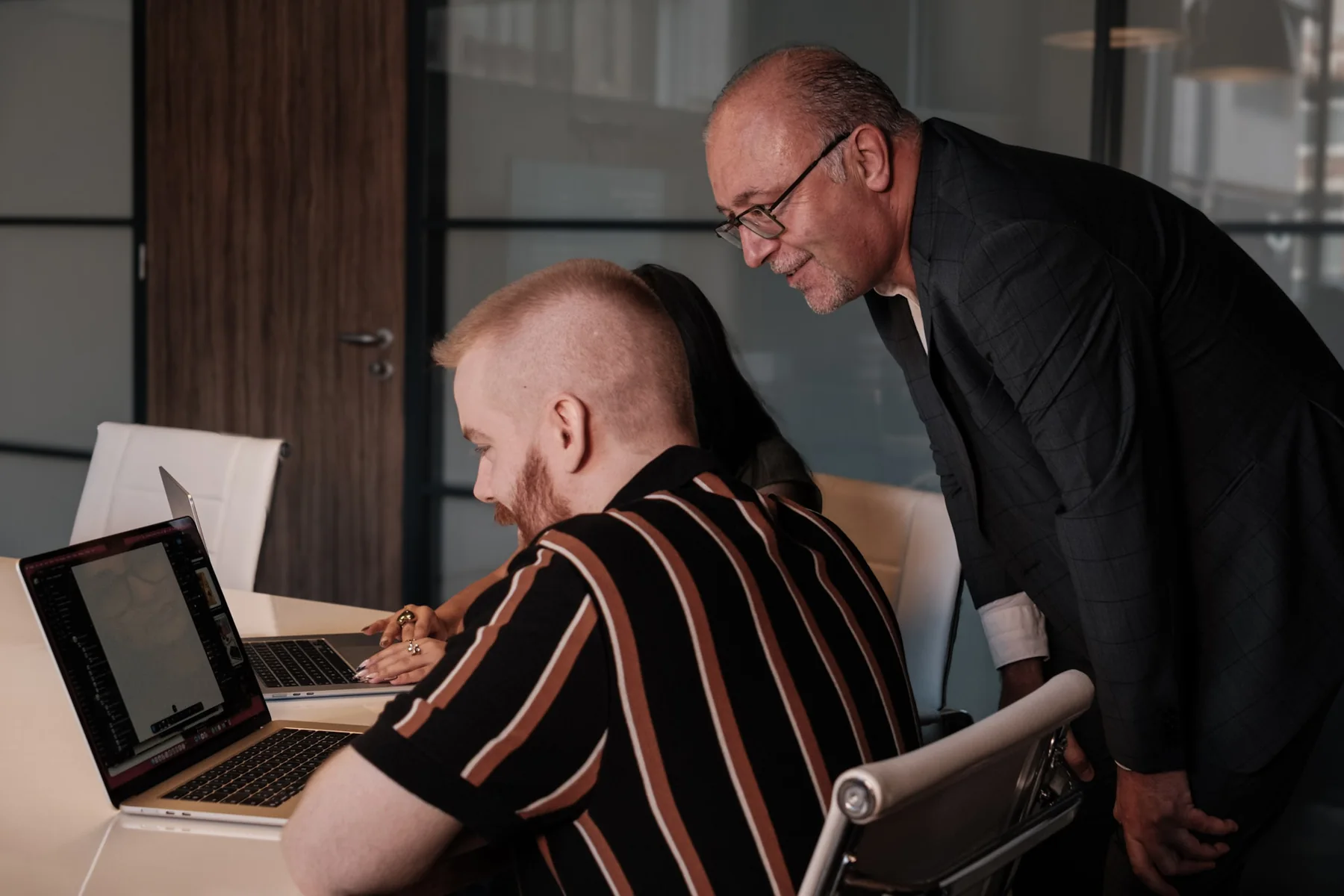
Understand and guide the daily operation
Operational direction begins with understanding what is happening. We examine performance, listen to the people doing the work and investigate recurring disruptions. The focus is on the connections between safety, quality, delivery, capacity and costs. Different signals require different speeds and levels of decision-making.
As a general example, urgent orders may repeatedly disrupt a schedule. Additional follow-up can help in the short term, but agreements between sales, planning and production also deserve attention. We connect today’s decisions with the investigation of recurring causes. This allows the organisation to continue operating while building a more reliable way of working.
Help leaders strengthen their own contribution
Coaching starts with situations leaders recognise. How do you discuss a deviation without immediately taking over the solution? When does a colleague need support, and when do they need space? How do you protect a priority when departments expect different things? These questions make leadership development concrete.
We connect conversations with practice, for example by reviewing a meeting or improvement activity together. Leaders examine how their behaviour affects the operation and try considered adjustments. The organisation supports this through time, clear expectations and room to learn. Coaching is a collaboration in which the participant remains responsible for their own development.
Temporary support. Lasting clarity.
Ronald Schuermans combines more than 35 years of operations and supply chain experience with a practical approach to improvement and leadership.
Ronald Schuermans is the founder and your direct counterpart at Continuo Consulting. He has built more than 35 years of experience in operations, supply chain and general management, in employed and independent roles. Responsibility at plant, executive and COO level taught him both the strategic choices and their consequences on the shop floor.
He has also worked independently since 2012. His approach is practical: understand the situation, substantiate decisions and implement them with the organisation. Respect for people, ethical conduct and involvement guide that partnership. When a question needs additional expertise, Ronald can involve his professional network in a targeted way. Each person’s contribution and responsibility are clearly agreed beforehand.
Good to know before we start.
At which level can Ronald take responsibility?
Ronald’s career includes experience as a plant manager, director and COO. Whether that experience fits depends on the mandate and operational question. We discuss the context, decision-making authority and required expertise before defining an assignment. Availability is considered individually for each enquiry.
How long does interim management or coaching last?
There is no standard duration. The reason for the assignment, people available and intended transition determine its boundaries. We agree how to review the collaboration and when continuation or handover should be considered. The support remains connected to your organisation’s current needs.
When is coaching more appropriate than interim management?
Coaching suits a leader who already holds responsibility and wants to become more effective in concrete work situations. Interim management suits a need to take on an operational mandate temporarily. The two can be combined if the roles are clear. We first discuss the support that is missing, so the contribution fits your organisation’s need.
How is the mandate defined at the start?
We discuss which decisions Ronald may take, who he reports to and which responsibilities remain with others. Priorities, available resources and relevant boundaries also receive attention. The mandate is agreed with those involved, so they know what to approach Ronald about. During the assignment, we discuss whether new circumstances require an adjustment.
Can temporary leadership include a change assignment?
Yes, provided the expected daily responsibilities and change are clear. We identify potential tensions between them and discuss what needs attention first. Available time, the existing team and decision-making authority determine what is feasible. This gives the change assignment a defined place alongside the continuity of daily operations.
How do knowledge and responsibility remain within our organisation?
We involve existing leaders and make agreements and decisions understandable to the people who will continue the work. Coaching, joint reviews and practical documentation can help. We agree together which form is appropriate. The intention is to avoid concentrating knowledge unnecessarily around one temporary person and to keep internal responsibilities clear.
What belongs in a useful handover?
A handover covers the reasons behind important decisions, current priorities, dependencies and matters that still need attention. Agreements with people and departments also count. We discuss early who will take over and which explanation or support is needed. This helps the next person responsible understand the operation and continue it deliberately.
Let’s discuss your challenge.
Tell us what your organisation is dealing with. Together, we can explore the support that fits.