
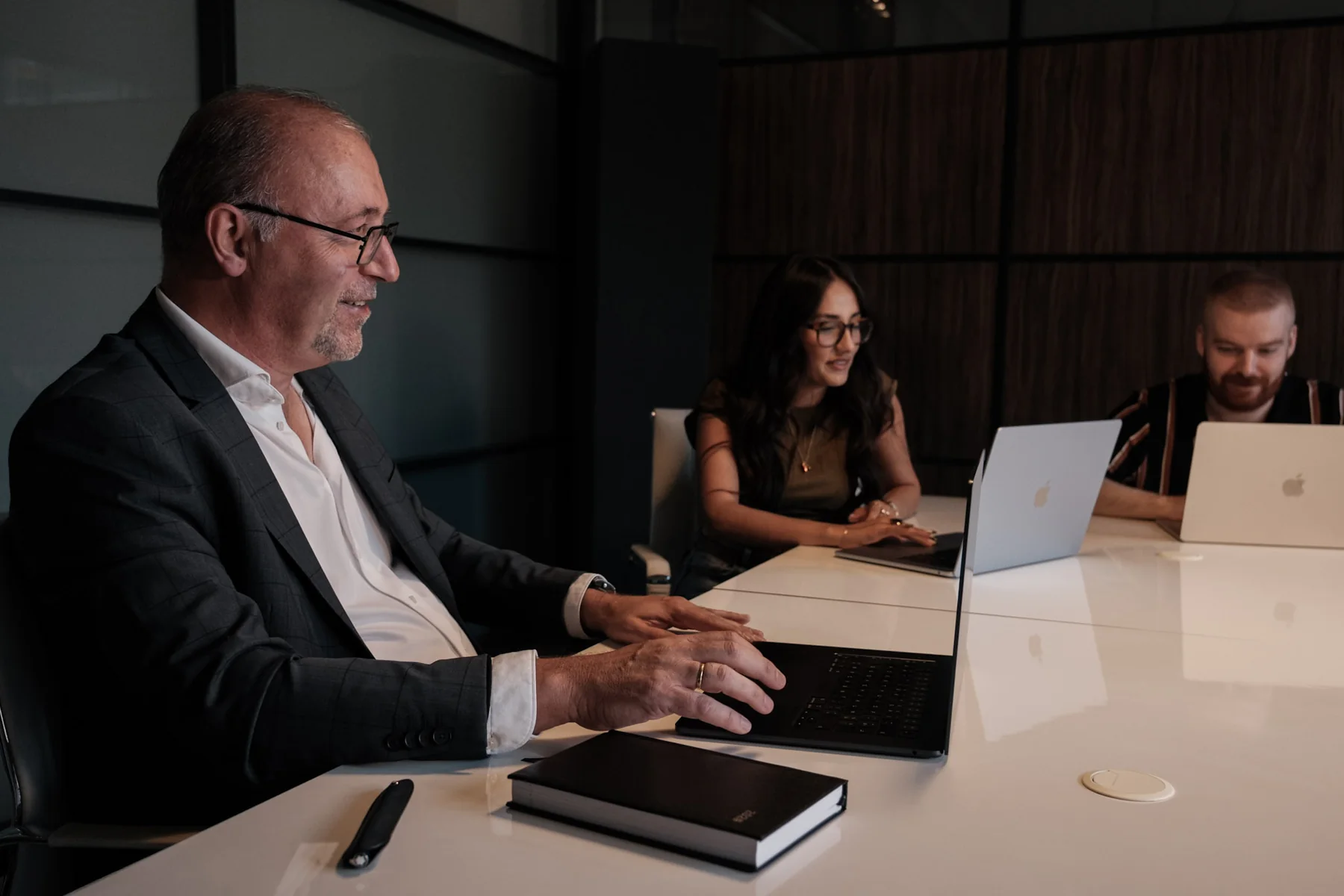
Clear direction. An approach that fits.
An SME with short decision lines needs a different collaboration from an organisation with several sites. We adapt our role to your challenge, your people and the capacity for change.
Five connected steps provide structure. They do not form a rigid programme: what we learn during implementation may lead us to refine earlier choices. Processes, leadership and culture remain connected. This allows the improvement work to develop in response to what daily practice requires.
01Diagnosis
First, understand what actually happens.
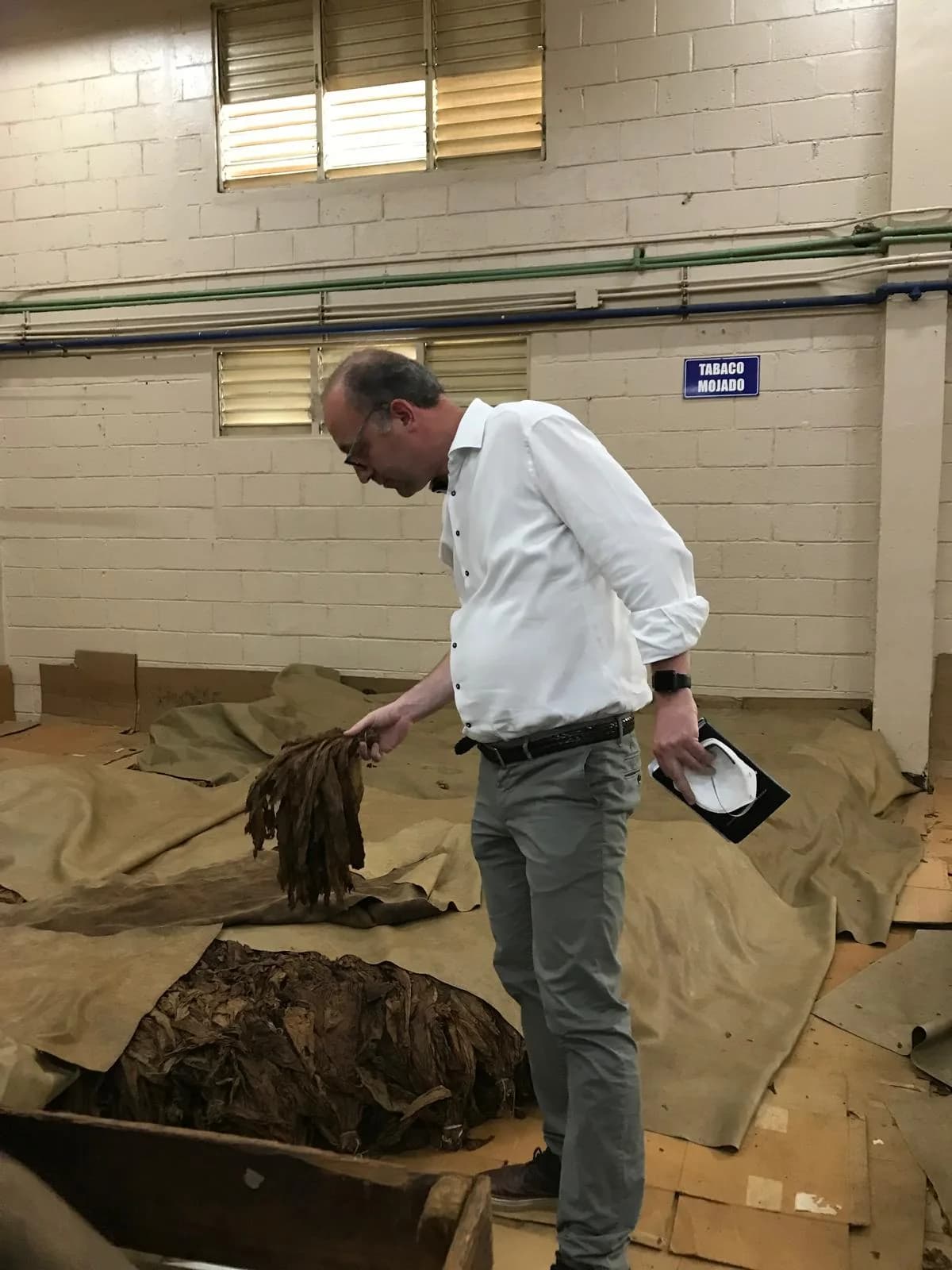
We listen to those responsible and to the people who carry out the work every day. We follow the process, examine available data and identify where waiting times, rework or unclear handovers occur. What seems logical on paper may work differently on the shop floor.
A delivery problem, for example, may originate in planning, information or an earlier process step. That is why we look beyond the visible bottleneck. Your organisation contributes process knowledge, relevant information and time from those involved. We distinguish what we know from assumptions that still need investigation.
This creates a shared starting point: a defined challenge, a picture of current operations and clarity about what still needs to be explored.
02Direction
Choose where improvement matters most.
Not every improvement opportunity needs attention at the same time. We weigh customer value, cost, quality, safety and delivery reliability against effort and dependencies. Together, we select a limited number of priorities. We also consider the effects on other departments: a local improvement needs to fit the overall operation.
Management determines the available decision-making authority and capacity. We make responsibilities, scope and follow-up concrete. What do we address first, who takes responsibility and which information will support the next decision?
This creates a practical agenda that teams can refer to during change. New insights can refine that agenda, provided the reasons for a changed decision and its consequences are clear.
03Leadership
People make change workable.
Improvement requires leaders who give direction and listen to what implementation needs. We examine how decisions are made, how problems are discussed and where responsibilities remain unclear.
Coaching connects with ordinary working situations: a team meeting, a difficult decision or a recurring problem. Leaders make time and involve their people in finding and applying solutions. We also discuss habits that make it harder to raise problems or collaborate across departments.
People can then understand what is expected of them, the room they have to act and whom to contact when something becomes stuck. Ownership becomes a concrete part of everyday work.
04Implementation
Improve while the work continues.
We translate the chosen direction into concrete actions. Where appropriate, we first try an adjusted way of working within a defined scope. We discuss the effects on other departments and follow up obstacles alongside daily operations.
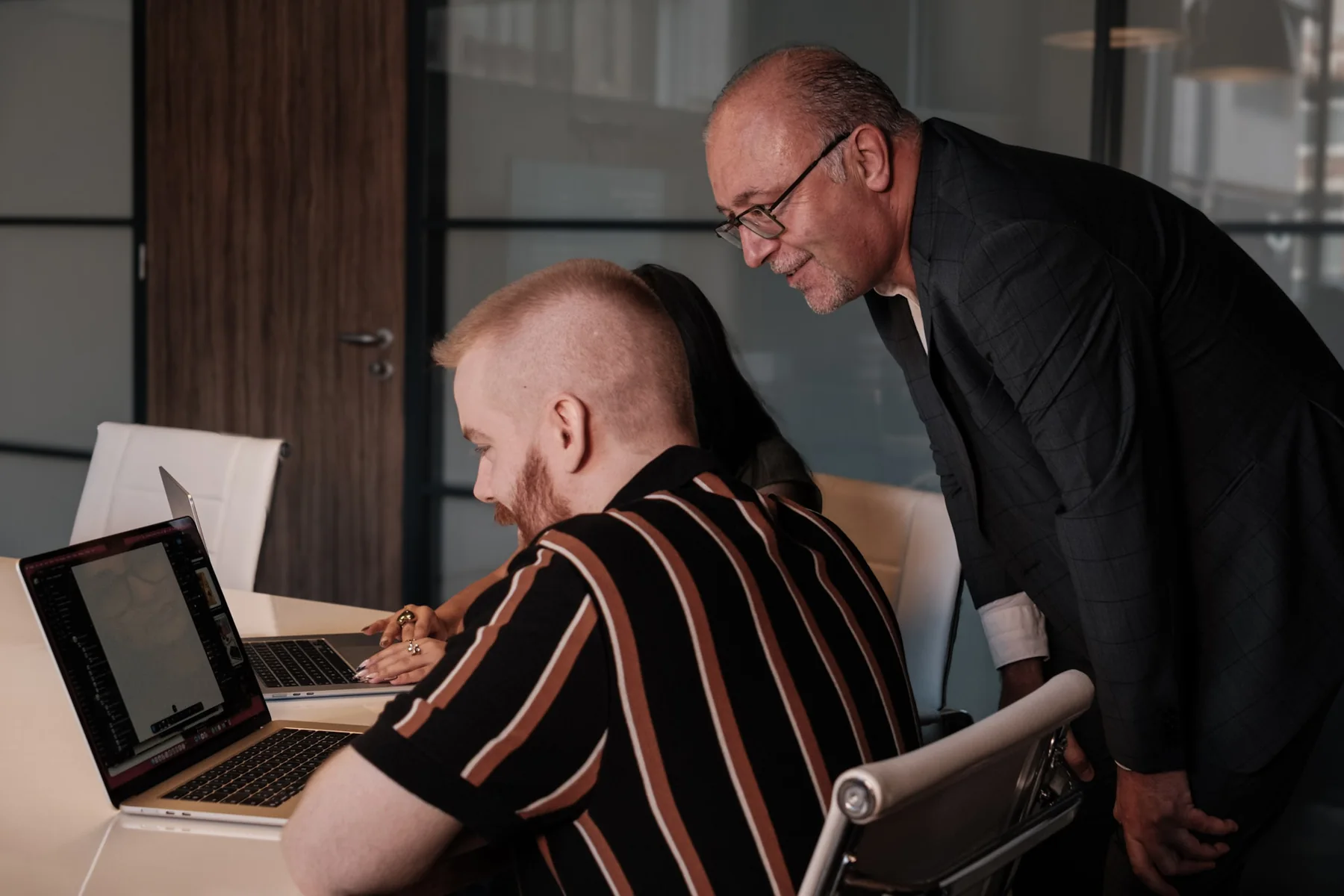
The teams involved apply the change and share their experience. Ronald helps connect observations with the decisions made and makes obstacles open for discussion. The organisation ensures that those responsible have the time and decision-making authority to take action.
We follow not only whether an action is completed, but whether operations change as intended. We investigate what does not help. Applying, observing and adjusting remain connected throughout the work.
- 01Plan — set your goal
- 02Do — apply
- 03Check — evaluate
- 04Act — adjust
A continuous cycle of planning, applying, learning and adjusting.
Apply
Teams put the selected change into practice. We clarify who does what, which support is needed and how the adjusted method fits into the work that people do every day.
Observe
We examine what changes in the process. Data and employees' experience help assess whether the adjustment works and what it means for other steps or departments.
Adjust
We use what we learn to refine the way of working. Obstacles are discussed, assumptions tested and decisions reconsidered where needed, together with the people implementing the change.
Useful to know before we begin.
Where do we start if the challenge is not yet clear?
Tell us what you are experiencing and what you have already tried. We listen first and discuss where further understanding is needed. You do not need a solution or a fully developed plan in advance. Together, we make the question specific enough to agree a suitable next step.
What information do we need?
That depends on the challenge. A process overview, existing performance data and the experience of those involved can provide a starting point. We discuss which information is useful and what is still missing. You do not need to send confidential business documents before an initial conversation.
How much time will our team need to contribute?
The commitment depends on the scope of the challenge and the agreed division of responsibilities. Observation, discussion, implementation and follow-up require time from different people. We discuss what is feasible alongside daily operations and adjust the scope accordingly. There is no standard time commitment that suits every organisation.
Who needs to be involved in the collaboration?
We need both decision-making authority and knowledge of daily practice. We therefore consider the responsible manager, the people carrying out the process and the departments involved. Who joins at which point depends on the question. We clarify who decides, who contributes and who follows up.
How do we assess whether we are making progress?
We agree what needs to improve and how to describe the starting situation. Available data and observations then help assess changes. For example, we consider quality, lead time and delivery reliability in relation to each other. One favourable indicator alone does not show whether the adjusted operation is sustainable.
What happens after the support ends?
Throughout the collaboration, we address handover, responsibilities and knowledge that stays in your organisation. At the end, we discuss which practices will continue and which questions remain open. Whether further coaching or follow-up would be useful is agreed separately, based on what your organisation needs.
Let’s discuss your challenge.
Tell us what your organisation is dealing with. Together, we can explore the support that fits.