
Does this sound familiar?
Growth, acquisitions, cost pressure and changing customer needs can put existing operations under strain. This environment is often described as VUCA: volatility, uncertainty, complexity and ambiguity. What seemed predictable yesterday may require a different decision today. We clarify which assumptions still hold and which facts are missing.
We connect these changes with your organisation. Does capacity match demand? Does the footprint support your ambition? Are responsibilities clear? Together, we identify the decisions that matter, what you can influence and how to assess the effects on people, costs and continuity.
A direction that fits your operations.
Growth, acquisitions and changing markets place new demands on operations. We examine how sites, capacity, supply chain and responsibilities fit together. A footprint review starts with the current situation and the decisions your organisation needs to support with evidence.
From insight to action.
Analysis: understand before deciding
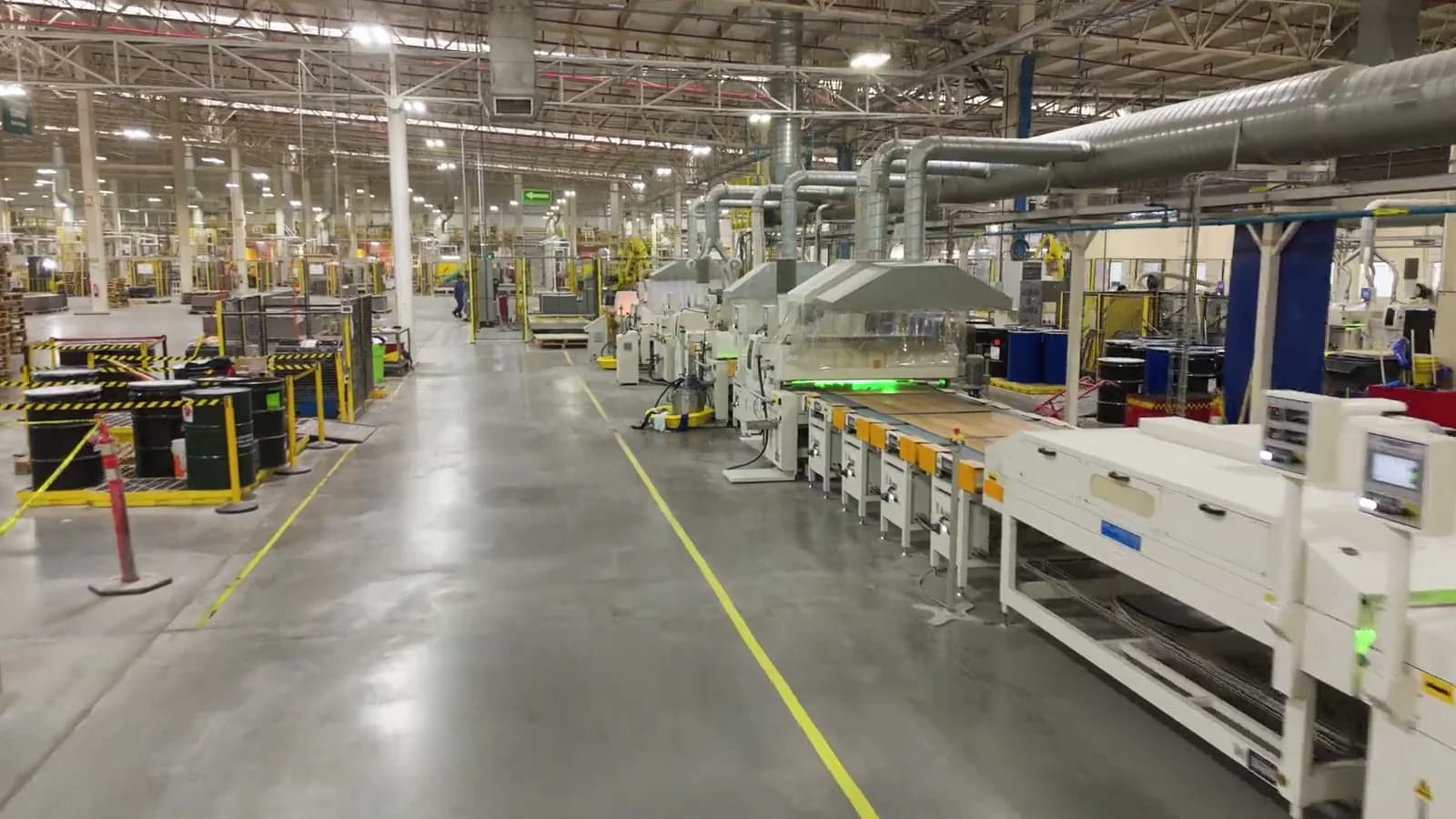
We examine performance, capacity, material flows and decisions. Alongside available data, we use focused observation where the work happens. “Stand in the Circle” means taking time to watch the work before intervening. Where do people wait, take unnecessary detours or deviate from an agreed method? We discuss observations with the people involved and test our assumptions.
Combining facts, observation and operational experience makes the consequences of strategic choices clearer. We identify what we know, which information is missing and which scenarios deserve further consideration. The analysis starts with the actual situation.
A culture that makes change possible
A new structure works when people understand why it is changing and what contribution is expected of them. Together with senior management, we establish a credible need for change, clarify accountability and involve leaders and employees in implementation.
The same applies to growth and M&A: operational integration requires attention to processes, capacity, culture and decision-making. We support the operational part of those choices alongside the other experts involved. Discussing progress and obstacles openly helps build an organisation better equipped to handle future change.
From decisions to delivery and lasting change
We turn decisions into action: clear priorities, an owner for each task and measures to track progress. Your organisation determines the time and resources available.
During delivery, we review effects and adjust. Practical agreements, knowledge transfer and follow-up help your team sustain improvement independently.
- 01Recognise stagnation
- 02Prepare
- 03Implement
- 04Persevere
- 05Embed results
Shared direction and communication help teams get started. Doubts and setbacks can arise during implementation. Guidance, small successes and perseverance help embed change; the line is a schematic illustration.
A closer look at our approach.
Footprint: how locations and activities work together
An operational footprint concerns the distribution of activities, capacity and flows within your organisation. We examine the role of each location and how sites complement or depend on one another. This includes materials, logistics movements, available knowledge and the way customers are served.
A general example is the choice between concentrating activities and keeping them closer to customers. A saving at one location may affect transport, inventory or flexibility. We therefore consider the overall operation and make assumptions explicit. A footprint review does not automatically mean closing a site or organising every activity centrally.
Consider capacity and costs together
Higher output does not always require an immediate investment. First, we investigate how available capacity is used and where the actual constraint lies. Product mix, scheduling, maintenance, changeovers and skills can influence one another. Distinguishing a structural shortage from losses in the current operation helps support decisions.
When examining cost optimisation, we also consider the consequences of an intervention. Reduced capacity, additional inventory or organisational changes may bring other risks or costs. Your organisation contributes the relevant information and constraints. We connect these with operational practice and identify where the evidence does not yet provide sufficient confidence.
Organisational development and cultural change
An organisation chart makes responsibilities visible but does not explain how people actually work together. We examine how decisions are made, where handovers are difficult and whether objectives work against one another. The structure should clarify who is responsible for what and where coordination remains necessary.
Cultural change takes shape through leaders’ everyday choices: which signals receive attention, how problems are discussed and which behaviours are supported. We connect these questions with the operational change. People need an explanation, room for questions and clear expectations. The intended direction then becomes recognisable in daily decisions and collaboration.
A clear direction. A workable next step.
Ronald Schuermans combines more than 35 years of operations and supply chain experience with a practical approach to improvement and leadership.
Ronald Schuermans is the founder and your direct counterpart at Continuo Consulting. He has built more than 35 years of experience in operations, supply chain and general management, in employed and independent roles. Responsibility at plant, executive and COO level taught him both the strategic choices and their consequences on the shop floor.
He has also worked independently since 2012. His approach is practical: understand the situation, substantiate decisions and implement them with the organisation. Respect for people, ethical conduct and involvement guide that partnership. When a question needs additional expertise, Ronald can involve his professional network in a targeted way. Each person’s contribution and responsibility are clearly agreed beforehand.
Good to know before we start.
Are footprint questions only relevant to large groups?
No. An SME with a production site, external storage or several activities also makes decisions about capacity and flows. The scale of the review follows the question. We begin with the decisions that can make a meaningful difference to your organisation.
Do we need a fully developed strategy first?
A clear ambition helps, but its operational implications do not need to be settled. Together, we identify which questions need answers first. If a plan already exists, we can test its assumptions and feasibility against the realities of the operation.
Can you also support implementation?
Yes. Support can continue into processes, roles and leadership. We separately agree which responsibilities remain with your organisation and what assistance is needed. Advice, decision-making and implementation are then clearly connected, with each person’s contribution understood.
Does transformation automatically mean restructuring or cutting costs?
No. Growth, a different product mix or better collaboration between sites can also be the starting point. We examine the operational effect you want before proposing changes. Costs form part of the assessment alongside capacity, quality, delivery reliability and the implications for people. A new structure is not an objective in itself. Freed-up capacity can often be used elsewhere without actual restructuring, for example by bringing activities back in-house.
How do we compare different scenarios?
We first clarify which question the scenarios should answer and which constraints apply. We then compare assumptions about capacity, costs, flows and feasibility. Uncertainty remains visible: an attractive figure is insufficient if the organisation would struggle to carry the change. Your management team remains responsible for the final choice and priorities.
Can daily operations continue during the change?
Operational continuity is an important condition. We therefore examine dependencies between steps, where temporary extra attention is needed and how much change your organisation can manage at once. A phased approach may help. The workable sequence depends on your situation, available people and commitments to customers and other parties involved.
Who needs to be involved from our organisation?
That depends on the decisions being considered. Alongside leadership and operations, planning, finance, supply chain, HR or local managers may hold relevant information and responsibilities. Together, we establish who contributes, who decides and who implements. This clarity helps address different expectations early and makes handovers between functions more workable.
How do we know whether the chosen direction is working?
We connect the ambition to specific operational questions and an understandable starting point. We then agree what to review, who is responsible and when a decision should be reconsidered. New information may call for an adjustment. We assess the change through its contribution to the operation, with attention to the assumptions behind it.
Let’s discuss your challenge.
Tell us what your organisation is dealing with. Together, we can explore the support that fits.